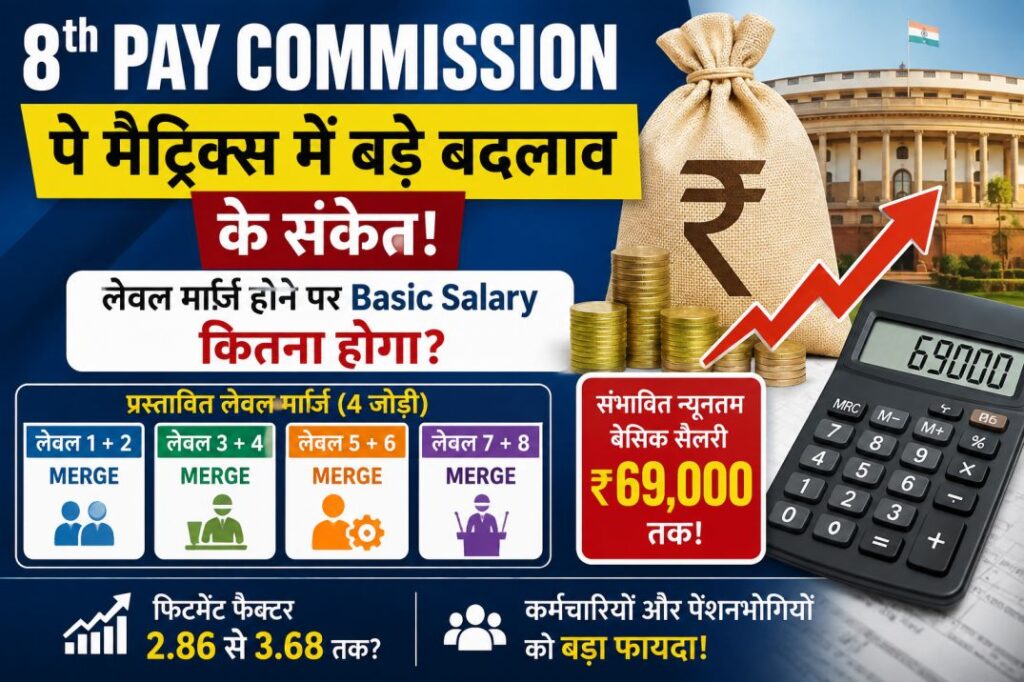
8th Central Pay Commission (8th CPC) ने Government employees से जुड़ी information collection को अब और ज्यादा detailed बना दिया है। Commission ने Ministries, Departments और Union Territory Administrations से Cadre-wise और Post-wise data मांगने के लिए Annexure-L (Cadres) जारी किया है।
इस Annexure-L में कुल 32 Fields हैं, जिनमें केवल Pay Level या कर्मचारियों की संख्या ही नहीं, बल्कि Sanctioned Strength, Working Strength, 5 साल से अधिक पुरानी Vacancies, Recruitment Rules (RR), Educational Qualification, Recruitment Pattern, Feeder Post, Promotion Post और Cadre Review History जैसी महत्वपूर्ण जानकारी शामिल है।
यह exercise इस दृष्टि से महत्वपूर्ण है कि इससे 8th CPC को अलग-अलग Government cadres की वास्तविक organizational structure और career progression को समझने के लिए structured data मिल सकेगा।
महत्वपूर्ण: Annexure-L में मांगी गई information अपने-आप किसी employee को higher Pay Level, promotion या arrears का अधिकार नहीं देती। यह मुख्यतः Commission के examination और future recommendations के लिए data collection exercise है।
Annexure-L क्या है?
Annexure-L (Cadres) 8th Pay Commission के Data Collection Portal का एक महत्वपूर्ण हिस्सा है।
इसमें प्रत्येक cadre और post के बारे में detailed information मांगी गई है। Departments को यह information अपने designated Nodal Officers के माध्यम से portal पर submit करनी है।
इससे पहले Commission ने personnel strength, age profile, pension, GPF, MACP और expenditure आदि से संबंधित information के लिए अलग-अलग annexures में data मांगा था।
अब Annexure-L के माध्यम से cadre structure और career hierarchy पर विशेष information मांगी गई है।
8th CPC Annexure-L के 32 Fields की पूरी List
नीचे Annexure-L में मांगी गई 32 प्रमुख entries को आसान भाषा में समझाया गया है:
| Field | क्या जानकारी मांगी गई है? |
| 1 | S. No. |
| 2 | Cadre Name |
| 3 | Name of the Post |
| 4 | Post Ministry/Department, Attached/Subordinate Office आदि से संबंधित है या नहीं |
| 5 | Recruitment Rules (RR) का Name |
| 6 | Recruitment Rules का Year |
| 7 | Classification of Post |
| 8 | Pay Level |
| 9 | Sanctioned Strength |
| 10 | 01.01.2026 को Number in Position |
| 11 | 5 वर्ष से अधिक समय से vacant Posts की संख्या |
| 12 | Recruitment Rules के अनुसार Educational Qualification |
| 13 | Mandatory Experience |
| 14 | Direct Recruitment (%) |
| 15 | Seniority-cum-Fitness/Promotion (%) |
| 16 | Departmental Examination (%) |
| 17 | Deputation (%) |
| 18 | Other Recruitment Mode (%) |
| 19 | Feeder Post Name |
| 20 | Feeder Post Pay Level |
| 21 | Feeder Post में Mandatory Residency Period |
| 22 | Feeder Post की Sanctioned Strength |
| 23 | Promotional Post Name |
| 24 | Promotional Post Pay Level |
| 25 | Present Post में Mandatory Residency Period |
| 26 | Promotional Post की Sanctioned Strength |
| 27 | Latest Cadre Review Year |
| 28 | Cadre Review during 2020–2025 |
| 29 | Cadre Review during 2015–2020 |
| 30 | Cadre Review during 2010–2015 |
| 31 | Cadre Review during 2005–2010 |
| 32 | Latest Cadre Review से पहले का preceding Cadre Review Year |
1. Cadre और Post की Basic Information
Annexure-L के शुरुआती Fields में Department को यह बताना है कि संबंधित Cadre और Post वास्तव में क्या है।
इसमें शामिल हैं:
- Cadre Name
- Post Name
- Ministry/Department या Attached/Subordinate Office
- Recruitment Rules का Name
- RR Notification Year
- Post Classification
- Pay Level
इससे Commission को यह समझने में मदद मिल सकती है कि कोई particular post किस service structure और Recruitment Rules के अंतर्गत आती है।
2. Sanctioned Strength और Working Strength
Annexure-L का एक महत्वपूर्ण हिस्सा manpower position से संबंधित है।
Sanctioned Strength
किसी particular post के लिए Government द्वारा कितने posts sanctioned हैं, इसकी जानकारी देनी होगी।
Number in Position
01 January 2026 को उस post पर कितने employees actually working/substantively in position हैं, इसकी information मांगी गई है।
इससे दो महत्वपूर्ण figures की तुलना की जा सकती है:
Sanctioned Strength vs Working Strength
उदाहरण के लिए:
| Particular | Number |
| Sanctioned Posts | 100 |
| Employees in Position | 72 |
| Vacant Posts | 28 |
इस प्रकार का data cadre की actual manpower position को समझने में उपयोगी हो सकता है।
3. 5 साल से अधिक समय से Vacant Posts
Annexure-L में एक विशेष Field रखा गया है:
Number of Posts lying vacant for more than five years
अर्थात ऐसे sanctioned posts की संख्या जिनमें vacancy लंबे समय से बनी हुई है और जो 5 consecutive years से अधिक समय से vacant हैं।
यह information Commission को long-term vacancies और manpower utilisation की स्थिति समझने के लिए उपलब्ध कराएगी।
हालांकि, इसका अर्थ यह नहीं है कि ऐसे सभी posts को automatically fill करने का आदेश दिया गया है।
4. Educational Qualification और Experience
Fields 12 और 13 में Recruitment Rules के अनुसार:
- Educational Qualification
- Mandatory Experience
की जानकारी देनी होगी।
यह information महत्वपूर्ण है क्योंकि इससे Commission को पता चलेगा कि किसी particular post के लिए Government ने किस level की educational qualification और professional experience निर्धारित किया है।
5. Recruitment Pattern की पूरी जानकारी
Fields 14 से 18 में recruitment के विभिन्न modes का percentage मांगा गया है।
इनमें शामिल हैं:
Direct Recruitment
कितने प्रतिशत posts Direct Recruitment से भरे जाते हैं।
Promotion
कितने प्रतिशत posts Seniority-cum-Fitness/Promotion के माध्यम से भरे जाते हैं।
Departmental Examination
Departmental Examination के माध्यम से कितने प्रतिशत appointments होती हैं।
Deputation
Deputation के माध्यम से कितने प्रतिशत appointments होती हैं।
Other Modes
यदि कोई अन्य recruitment/appointment mode है तो उसका percentage।
एक महत्वपूर्ण शर्त
इन सभी percentages का total:
100% होना चाहिए।
उदाहरण:
| Recruitment Mode | Percentage |
| Direct Recruitment | 50% |
| Promotion | 40% |
| Departmental Examination | 5% |
| Deputation | 5% |
| Other | 0% |
| Total | 100% |
इससे Commission को किसी cadre के Recruitment Pattern की स्पष्ट तस्वीर मिल सकती है।
6. Feeder Post की जानकारी
Fields 19 से आगे career progression की जानकारी शुरू होती है।
Commission पूछ रहा है:
- Feeder Post Name
- Feeder Pay Level
- Minimum Residency Period
- Feeder Post की Sanctioned Strength
अर्थात किसी particular post पर promotion के लिए कौन-सा Feeder Post है और उस post पर कितनी minimum service required है।
उदाहरण:
Lower Post → Feeder Post → Present Post
इससे promotion channel की actual structure को समझने में मदद मिल सकती है।
7. Promotional Post की जानकारी
इसके बाद Commission Promotional Post की information मांग रहा है।
इसमें:
- Promotional Post Name
- Promotional Pay Level
- Present Post में Mandatory Residency Period
- Promotional Post की Sanctioned Strength
शामिल है।
इसका मतलब है कि Commission केवल current post को नहीं देख रहा, बल्कि उसके career progression path को भी data में capture कर रहा है।
8. Multiple Feeder या Promotion Channels
यदि किसी post के लिए एक से अधिक Feeder Posts या Promotion Channels हैं, तो उनकी details अलग-अलग entries/rows में देने की व्यवस्था है।
यह महत्वपूर्ण है क्योंकि कई Government cadres में promotion केवल एक feeder post से नहीं होता।
इस तरह का data Commission को complex promotion hierarchy समझने में मदद कर सकता है।
9. Cadre Review History
Annexure-L का अंतिम महत्वपूर्ण हिस्सा Cadre Review से संबंधित है।
Field 27 में पूछा गया है:
Latest Cadre Review Year
इसके बाद अलग-अलग periods में पूछा गया है कि cadre review हुआ था या नहीं:
- 2020–2025
- 2015–2020
- 2010–2015
- 2005–2010
और आवश्यक होने पर latest review से पहले का relevant Cadre Review Year भी देना है।
Cadre Review क्यों महत्वपूर्ण है?
Cadre Review का उद्देश्य सामान्यतः किसी organisation में posts और manpower structure को समय-समय पर review करना होता है।
समय के साथ:
- Workload बदल सकता है
- Technology बदल सकती है
- नई responsibilities आ सकती हैं
- कुछ posts obsolete हो सकती हैं
- नई posts की आवश्यकता हो सकती है
- Promotion structure में bottleneck हो सकता है
इसलिए Cadre Review की frequency किसी cadre की organisational structure को समझने में उपयोगी information हो सकती है।
8th CPC का यह Data Collection पहले की Exercises से कैसे अलग है?
इस exercise की खास बात यह है कि इसमें केवल Pay और Allowances से संबंधित information पर focus नहीं है।
Annexure-L में एक साथ कई aspects को capture किया जा रहा है:
Cadre → Post → Pay Level → Sanctioned Strength → Working Strength → Vacancy → Qualification → Recruitment → Feeder Post → Promotion → Cadre Review
इसलिए यह एक structured HR and Cadre Data Collection exercise है।
Employees के लिए इसका क्या महत्व है?
Central Government employees और Staff Associations के लिए यह development इसलिए relevant है क्योंकि कई service-related issues का संबंध केवल salary से नहीं बल्कि cadre structure से भी होता है।
उदाहरण के लिए:
- लंबे समय से vacant posts
- Sanctioned और working strength में बड़ा difference
- Outdated Recruitment Rules
- Promotion में लंबा waiting period
- Limited promotional posts
- Career stagnation
- Multiple feeder channels
- लंबे समय से Cadre Review नहीं होना
- Recruitment और promotion structure में imbalance
इन मुद्दों को factual और documentary evidence के साथ समझना अधिक महत्वपूर्ण हो सकता है।
क्या Annexure-L से तुरंत Promotion या Pay Increase मिलेगा?
नहीं।
यह समझना बहुत जरूरी है कि Annexure-L एक data collection format है।
इससे अपने-आप:
❌ Promotion नहीं मिलेगा
❌ Pay Level नहीं बदलेगा
❌ Fitment Factor तय नहीं होगा
❌ Vacancy automatically fill नहीं होगी
❌ Cadre automatically restructure नहीं होगा
❌ Arrears automatically नहीं मिलेंगे
Commission इस information का examination करने के बाद अपनी recommendations दे सकता है। इसके बाद Government द्वारा recommendations पर निर्णय लिया जाएगा।
इसलिए Data Collection को Final Recommendation या Government Order समझना सही नहीं होगा।
Annexure-L को एक नजर में समझें
| मुख्य विषय | Commission क्या देख रहा है? |
| Cadre | कौन-सा cadre और post है |
| Pay | कौन-सा Pay Level है |
| Manpower | Sanctioned और Working Strength |
| Vacancy | 5 साल से अधिक पुरानी vacancies |
| Qualification | Education और Experience |
| Recruitment | DR, Promotion, Exam, Deputation आदि |
| Feeder Post | Promotion के लिए source post |
| Promotion | अगला promotional post |
| Service Period | Minimum qualifying service |
| Cadre Review | कब-कब cadre review हुआ |
निष्कर्ष
8th Pay Commission Annexure-L Central Government cadres से संबंधित एक महत्वपूर्ण data collection exercise है। इसके 32 Fields में केवल employee strength या Pay Level की information नहीं, बल्कि Recruitment Rules, vacancies, qualifications, recruitment pattern, feeder posts, promotion hierarchy और Cadre Review History तक की details मांगी गई हैं।
इससे 8th CPC के सामने अलग-अलग Government cadres की actual organisational और career structure की अधिक detailed तस्वीर उपलब्ध हो सकती है।
Central Government employees और employee associations के लिए इसका सबसे महत्वपूर्ण पहलू यह है कि cadre-related grievances को factual data, applicable Recruitment Rules, sanctioned strength, vacancy position और promotion structure के आधार पर document करना अधिक relevant हो सकता है।